Growth
AEO: How to Audit Your Brand's Visibility in AI
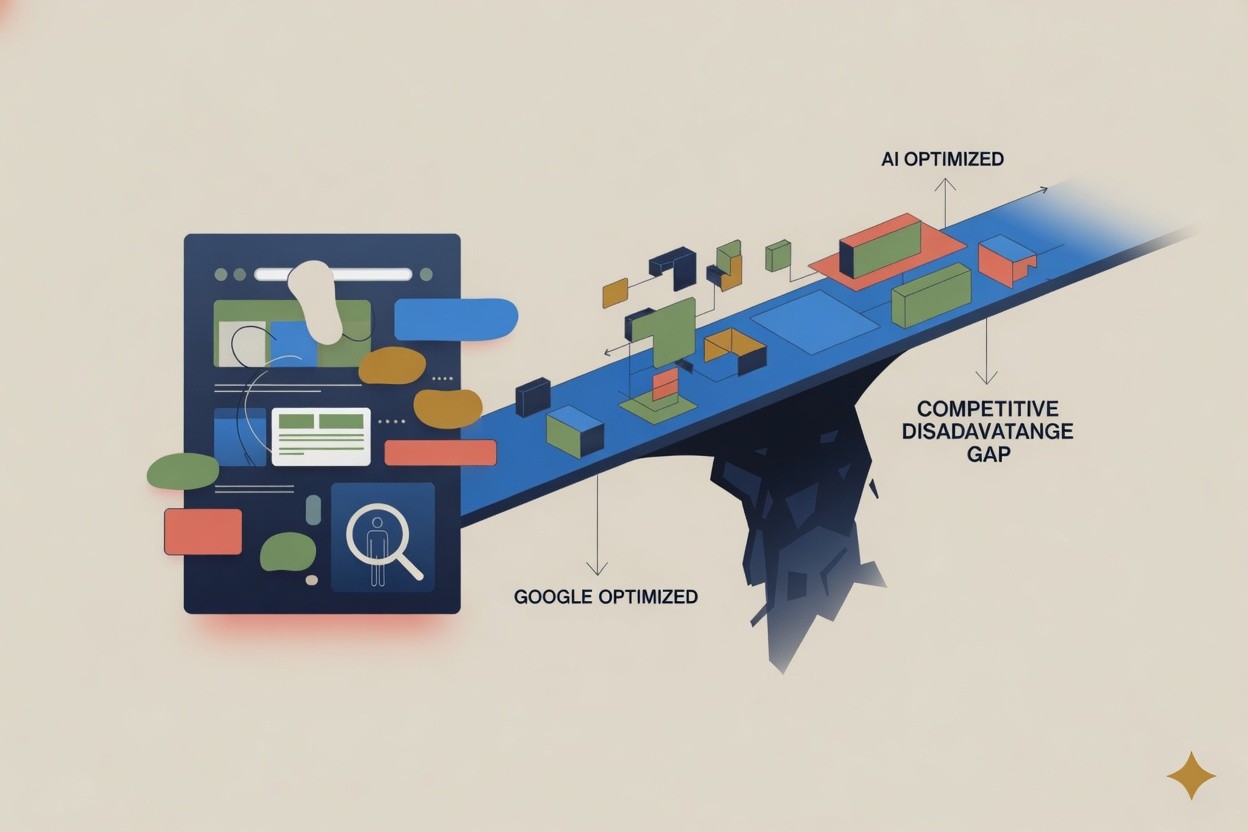
If your brand is missing from AI recommendations, the cause is usually structure, coverage, or citations. Here is a practical way to diagnose the gap.
Apr 16, 2025
4 min.
James Patel
Start With An Audit, Not A Rewrite
When brands realize they are underrepresented in AI responses, the first instinct is often to rewrite everything. In most cases, that is the wrong first move.
A better approach is to audit how your brand currently appears, what information answer engines can retrieve, and where the gaps are. Once you understand the failure points, you can fix the right pages and data instead of guessing.
What An AEO Audit Is Meant To Answer
A useful audit should answer four questions:
When do answer engines mention the brand?
When do they omit the brand?
What sources are shaping the response?
What product or content gaps explain the difference?
This is less about vanity and more about diagnosis.
Step 1: Define The Question Set
Start with real questions from the market, not only internal messaging.
Build a small test set across a few categories:
category discovery questions
comparison questions
specification questions
problem-solution questions
budget or performance questions
For a material brand, that might include prompts around finishes, performance, durability, sustainability, lead times, alternatives, or project type.
The goal is to see how your brand performs across multiple buying moments.
Step 2: Review The Brand Presence In Answers
For each question, record:
whether your brand appears
how early it appears
how it is described
which competitors appear instead
what sources are cited or implied
This reveals whether the challenge is absence, weak positioning, or inconsistent framing.
A brand might appear often but still lose because the answer describes it too vaguely, cites outdated information, or favors competitor proof.
Step 3: Check The Source Pages Behind The Result
Once you know where visibility is strong or weak, inspect the pages that should have supported retrieval.
Look for:
clear category language
explicit product attributes
technical evidence
trustworthy source formatting
internal consistency across pages
If a high-intent question produces a weak result, the supporting source is often too vague, too thin, or too fragmented.
Step 4: Identify The Type Of Gap
Most AEO gaps fall into one of these buckets:
Coverage Gap
The relevant answer simply does not exist on your site in a usable form.
Structure Gap
The information exists, but it is buried in PDFs or inconsistent blocks that are difficult to extract.
Language Gap
Your internal language does not match the language buyers or answer engines use.
Evidence Gap
The claim is present, but the supporting proof is weak or hard to find.
Competitive Gap
A competitor has clearer, more complete, or more comparable information.
Once you know which gap you are dealing with, the next action becomes obvious.
Step 5: Prioritize Fixes By Impact
Do not try to fix everything at once. Prioritize the gaps that affect the most important commercial questions.
A simple order is:
highest-intent category questions
comparison and shortlist questions
specification questions
supporting educational content
That sequence usually gives the clearest return.
What A Good Audit Output Looks Like
At the end of the audit, your team should have:
a tracked question set
a visibility baseline
a list of weak or missing source pages
a map of competitor advantage areas
a prioritized fix list
That turns AEO into an operating discipline instead of a vague content project.
Final Takeaway
Brands usually do not disappear from AI because they lack value. They disappear because answer engines cannot reliably interpret or support that value.
An AEO audit helps you see where interpretation fails, where evidence is thin, and where content needs to become more usable. Once those gaps are clear, improvement becomes much more direct.